
Survivor Perspective: The Immigration and Asylum Bill
The Immigration and Asylum Bill (‘the Bill’) was introduced to Parliament in June 2026.1 Part 5 of the Bill makes significant reforms to the modern slavery support system in the UK.
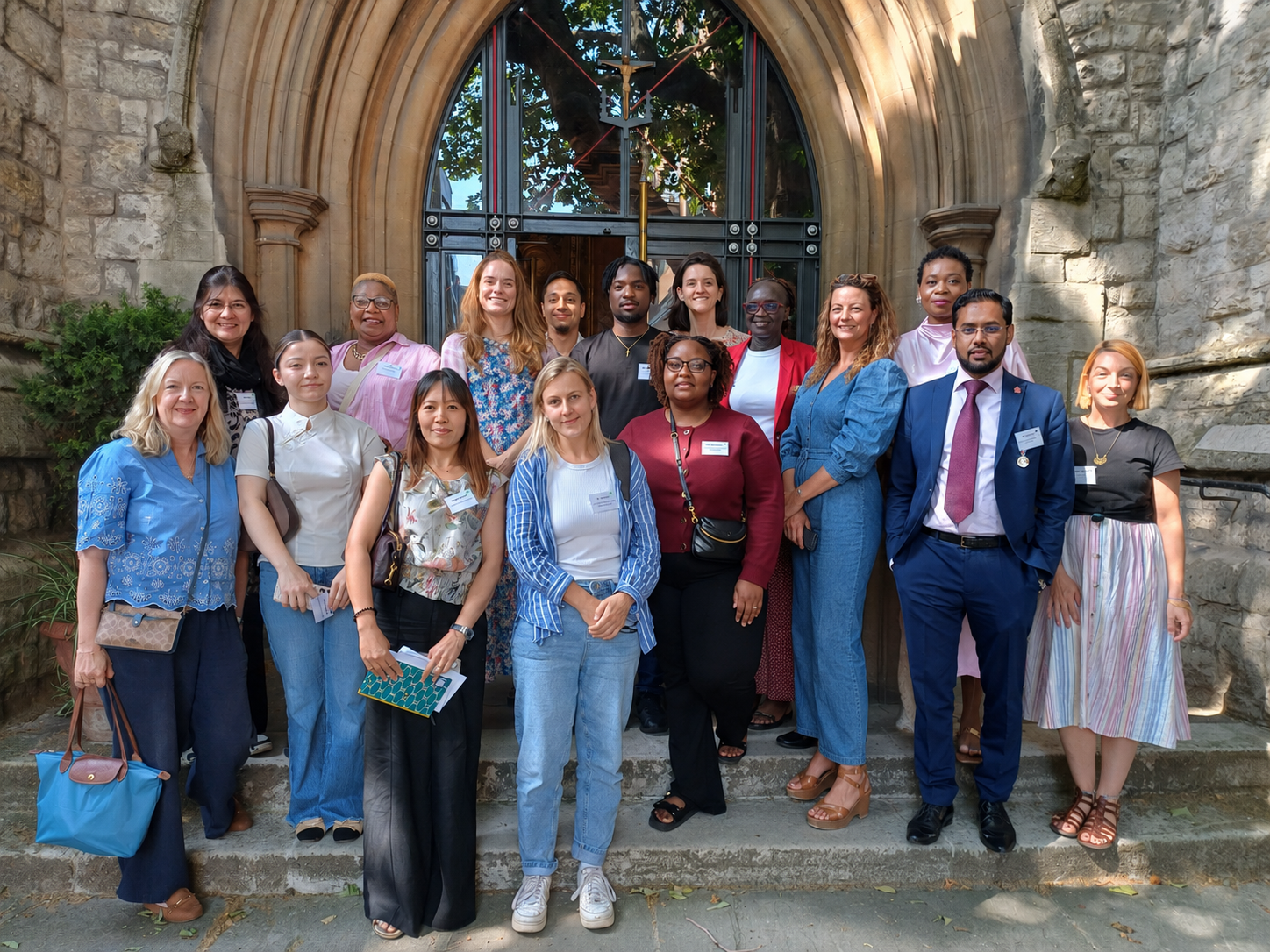
I asked my Lived Experience Advisory Panel which is formed of representatives from 15 Panels across the UK what they thought about this legislation. I would like to thank every survivor of trafficking who attend this Summit for sharing their expertise so we can all understand the impact of the Bill and would also like to extend my gratitude to the Human Trafficking Foundation for facilitating the Summit.
The test for this Bill, as laid out so powerfully by a representative on the day was: “Does it make it better for survivors and does it make it easier to identify and support survivors?” If the answer is no, Parliament must think again.
Those who took part in this Summit were clear that the draft Bill does not meet that test. They outlined how the Bill will make disclosure harder, support less secure, and recovery more fragile. Representatives challenged the premise that the modern slavery system is being misused in a way that justifies measures which could deny protection to the people the system was created to serve. They questioned why the focus of the Bill was on making victims lives harder rather than holding the perpetrators of crime to account.
We also spoke about measures they welcomed in the Bill. This includes advocacy for child victims of trafficking and the rollout of devolved decision-making pilots for children. Survivors also welcomed the proposed changes to enhance transparency in supply chains – but want these measures to go further to reflect our international partners’ laws.
This report below outlines in detail survivors’ insights from the Summit. The voices of survivors should not sit at the margins of legislation on modern slavery. There is no clear evidence that survivors have been consulted by the Home Office on the contents of this Bill before it was introduced. This is a gap.
Survivors of historical trafficking have also raised concerns about the impact of the Bill’s credibility provisions on victims who disclose their exploitation years after it took place. A briefing from No One Above (NOA), an advocacy group formed by survivors of trafficking by Mohammed Al Fayed, explores these issues in the context of historical sexual exploitation, including the implications of delayed disclosure for victim identification and support.
Read NOA’s briefing: Britain is failing to protect victims of historical sex trafficking.
The challenge now is for Government and Parliament to listen to what survivors have said, alongside evidence-based research into human trafficking to ensure that any reform of the modern slavery system protects survivors, improves identification and helps bring perpetrators to justice.
A rolling brief on the IASC position on the Bill can be found here.